









BMI: Time to Measure Up.
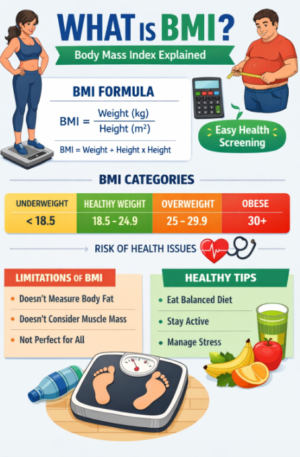
If you’ve ever wondered what is BMI and how is it calculated, you’re not alone. BMI, or Body Mass Index, is one of the most commonly used tools to assess whether your weight falls within a healthy range. It’s simple, quick, and widely used by health professionals around the world.
Understanding how to compute BMI step by step is easy. You just need your weight in kilograms and your height in meters. The formula divides your weight by the square of your height. While this may sound technical, it’s actually one of the best ways to calculate BMI at home without needing special equipment.
How to Check If Your BMI Is Normal
After calculating your BMI, the next step is knowing where you fall on the scale. Many people ask how to check if your BMI is normal, and the answer lies in standard BMI categories:
- Below 18.5 – Underweight
- 18.5 to 24.9 – Normal weight
- 25 to 29.9 – Overweight
- 30 and above – Obese
These categories serve as a general guideline for determining your health risk. Following a healthy BMI range for adults can help reduce the chances of developing conditions like heart disease, diabetes, and hypertension.
BMI Formula for Men and Women: Is There a Difference?
A common question is whether there’s a separate BMI formula for men and women. The truth is, the formula itself is the same for both. However, body composition differs. Men typically have more muscle mass, while women tend to have higher body fat percentages. This means BMI may not always fully reflect individual health, especially for athletes or highly active individuals.
How Accurate Is BMI for Weight Measurement?
Many people also wonder, how accurate is BMI for weight measurement? While BMI is a useful screening tool, it’s not perfect. It doesn’t account for muscle, bone density, or fat distribution. For example, someone with high muscle mass might have a higher BMI but still be very healthy.
That’s why understanding the BMI vs body fat percentage difference is important. Body fat percentage gives a more detailed picture of your health, while BMI provides a quick general overview.
Ideal BMI for Weight Loss Goals
If you’re trying to lose weight, knowing your ideal BMI for weight loss goals can give you a clear target. Instead of focusing only on the number on the scale, aim to gradually move into the healthy BMI range. This approach is more sustainable and safer in the long run.
How to Maintain a Healthy BMI Naturally
Once you reach your desired range, the next challenge is how to maintain a healthy BMI naturally. Here are a few simple tips:
- Eat a balanced diet with whole foods
- Stay physically active with regular exercise
- Get enough sleep and manage stress
- Avoid crash diets and extreme restrictions
Final Thoughts
BMI is a helpful starting point for understanding your overall health. By learning what is BMI and how is it calculated, you can take control of your wellness journey. While it’s not a perfect measurement, combining it with healthy habits and lifestyle choices can lead to long-term success.


Claire Gibson
February 4, 2016 at 9:40 amI found a lot of useful information here, it was a really inspirational read. You discovered many interesting things, it will help me with my workout program.
Thomas Bradley
February 4, 2016 at 9:43 amThank you so much, I really appreciate it. The main focus is on the importance of healthy diet and exercise. I am glad you find it interesting.
Bianca Reid
February 4, 2016 at 9:45 amReally inspirational read, thank you! I was just looking for a diet plan that suits my busy lifestyle and this seems like a way to go. I will try it for sure.